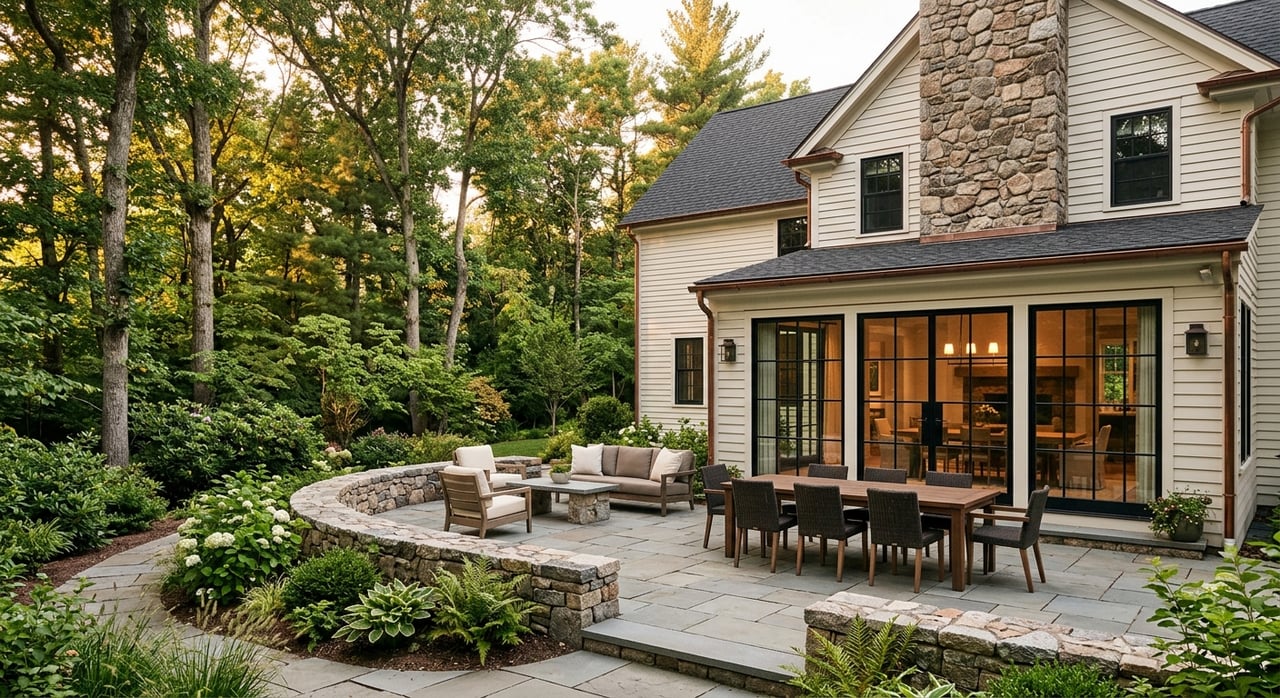
If you want more than a pretty backyard, Lincoln deserves a closer look. For many buyers, the appeal is not just that the town feels green. It is that conservation land, trails, farms, and open views are built into everyday life. If you are weighing where to put down roots in MetroWest, this guide will show you why Lincoln stands out for nature-loving homebuyers. Let’s dive in.
Lincoln Offers a Different Kind of Space
Lincoln feels distinct because so much of the town has been preserved. The town’s Open Space and Recreation Plan says almost 35% of Lincoln is protected by permanent conservation deeds or restrictions, which is a remarkable share for a community this close to Boston. For buyers who value open land, that protection helps support a lasting sense of space.
The town’s Conservation Department manages 1,600 acres of municipal conservation land. The same town planning materials note that people enjoy more than 80 miles of trails. That means access to the outdoors is not limited to a single park or one scenic pocket of town.
Lincoln also has a small population relative to its land area. The 2024 population estimate is 6,996, and the population density is 492.9 people per square mile. Compared with denser nearby suburbs, that lower density helps explain why Lincoln often feels quieter, more private, and more connected to the landscape.
Conservation Is Part of Daily Life
In some towns, open space feels like an amenity. In Lincoln, it feels more like part of the town’s identity. Official town documents describe roughly 50 miles of public roads and more than 80 miles of roadside paths and trails, with many roads offering views of conservation land and open space.
That matters when you are thinking about lifestyle, not just square footage. A town shaped by protected land often delivers a different day-to-day experience, from scenic drives to regular trail access and a more natural visual rhythm. For buyers who want a home base that feels grounded in the outdoors, Lincoln offers that in a very tangible way.
Lincoln also works to preserve its agricultural landscape. The town’s agricultural program states that its rural character comes from conscious efforts to protect large, contiguous farms and maintain historic agricultural use. In practical terms, farmland is not just background scenery here. It remains part of the community fabric.
Farms and Wildlife Add to Lincoln’s Character
One of Lincoln’s most recognizable outdoor destinations is Drumlin Farm. Mass Audubon describes it as a 291-acre wildlife sanctuary that combines a working farm with trails, wildlife habitat, and seasonal farm programming. That blend of agriculture and conservation reflects the town especially well.
For homebuyers, places like Drumlin Farm help show what makes Lincoln different from a typical suburban setting. The town’s appeal is not based only on larger lots or tree-lined streets. It also comes from having meaningful natural and agricultural spaces woven into the local environment.
If you are relocating from a denser area, this can be a major lifestyle shift. Lincoln gives you access to a landscape that feels active and intentional, not leftover or incidental.
History and Culture Feel Connected to the Land
Lincoln’s appeal is not only about trails and open acreage. The town also brings together history, architecture, and outdoor experiences in a way that feels unusually cohesive. That can make the town appealing if you want cultural depth alongside a quieter setting.
The deCordova Sculpture Park and Museum spans 30 acres and is described by The Trustees as the largest park of its kind in New England. With more than 50 outdoor sculptures on view at a time, it offers an experience that feels as much about landscape as it does about art.
Historic sites in Lincoln also reflect that same connection to place. Historic New England describes Codman Estate as a historic country seat overlooking farm and pleasure grounds, with land that adjoins the town conservation trail. The Gropius House, a National Historic Landmark, is noted for its relationship to the surrounding landscape, including stone walls, mature trees, and gardens designed to sit in harmony with nature.
Lincoln also has a notable connection to regional history through Minute Man National Historical Park. The park extends across three towns, and Lincoln includes the visitor center, Battle Road access, and Hartwell Tavern. Together, these places give the town a layered identity that goes beyond standard suburban convenience.
The Housing Stock Supports Privacy and Space
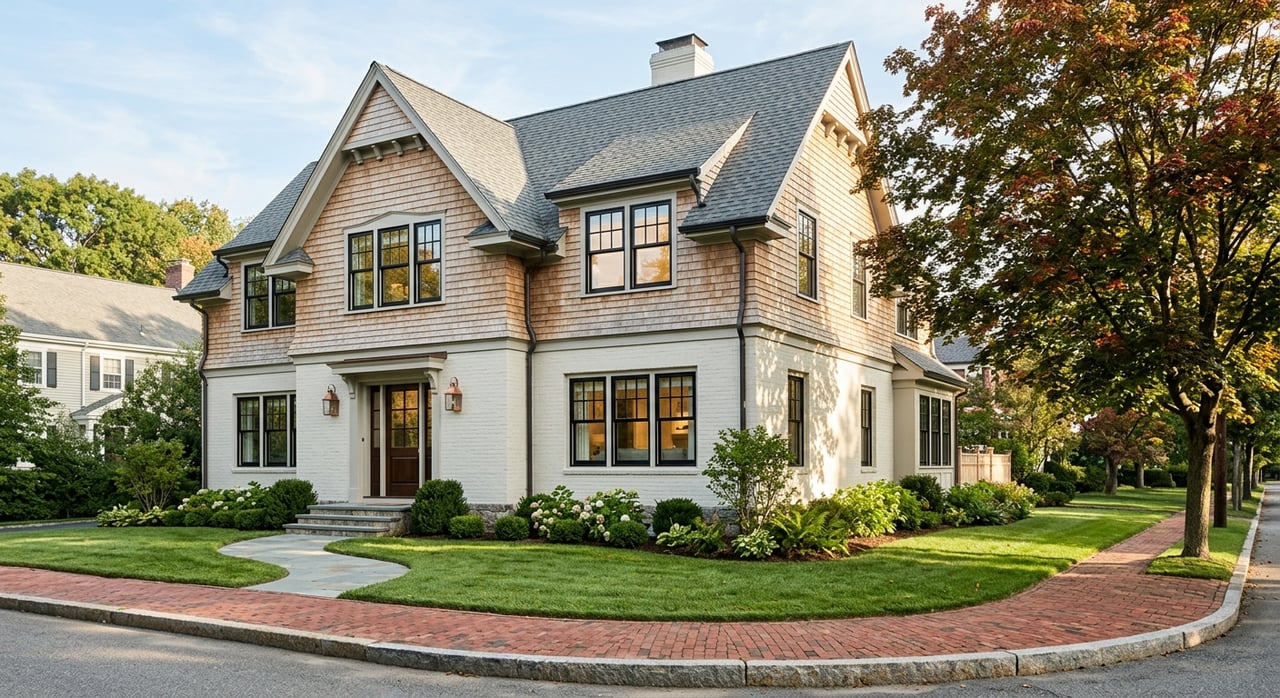
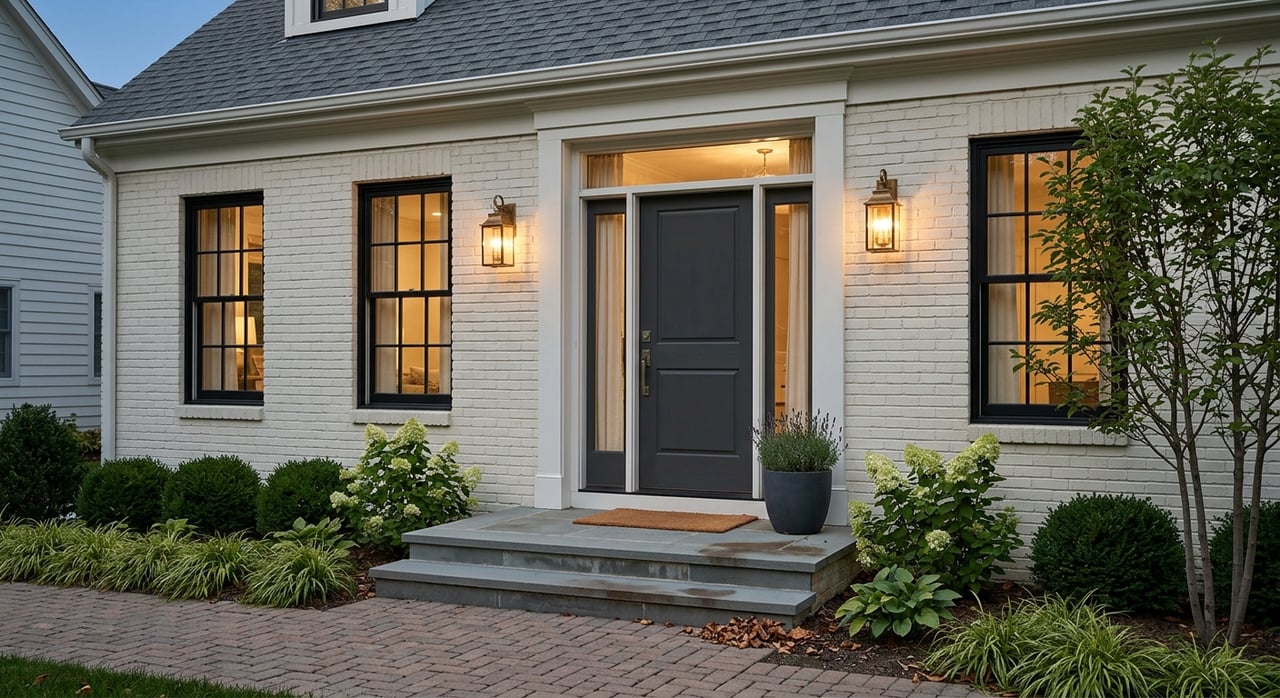
For buyers who are drawn to Lincoln’s natural setting, the housing stock often aligns with that priority. Town materials show that the inventory is dominated by detached homes, with a smaller condominium segment and a smaller rental share. Across different town housing analyses from different years, the pattern remains consistent.
That matters because buyers looking in Lincoln are often seeking space, privacy, and established surroundings. The current census profile shows an owner-occupied housing rate of 57.3%, a median owner-occupied home value of $1,208,200, and a median gross rent of $3,168. Those numbers point to a high-cost market with a strong ownership profile.
Lincoln’s 2025 housing FAQ also suggests that smaller detached homes can be harder to find. It states that about 16% of single-family homes are valued at $1 million or less, and it notes that tear-downs and additions continue to reshape the stock of smaller homes. If you are targeting a detached home in Lincoln, it helps to go in with clear expectations about pricing and supply.
Lincoln Feels Rural Without Feeling Remote
One of Lincoln’s strongest advantages is that it offers a semi-rural feel while staying connected to the region. The town is roughly 18 to 20 miles west of Boston and is served by the MBTA Commuter Rail Fitchburg Line. For many buyers, that balance is a large part of the draw.
Lincoln is also notably less dense than nearby communities like Framingham and Newton. Census figures place Lincoln at 492.9 people per square mile, compared with 2,889.4 in Framingham and 4,987.8 in Newton. If you are trying to understand why Lincoln feels calmer, that comparison helps tell the story.
At the same time, Lincoln is not cut off. Town planning documents describe South Lincoln and Lincoln Station as a village center area shaped around commercial activity, diversified housing choices, and pedestrian, bicycle, and commuter rail use. So while Lincoln does not read like a broad downtown suburb, it does offer a compact center that supports daily life and regional access.
What Makes Lincoln Stand Out
Many affluent suburbs offer attractive homes and mature landscapes. Lincoln stands apart because land use is such a visible part of the town’s identity. Protected open space, working farms, extensive trails, and historic landscapes all contribute to a setting that feels preserved rather than simply developed.
For a nature-loving homebuyer, that distinction matters. You are not only buying a house in Lincoln. You are buying into a town where conservation and outdoor access shape the way the community looks and feels.
That can be especially appealing if you want privacy, established homes, and a calmer atmosphere, but still need practical access to Boston and the surrounding MetroWest area. Lincoln offers a combination that is hard to replicate.
If you are considering Lincoln or comparing it with other MetroWest towns, a thoughtful local perspective can make the search much clearer. For tailored guidance on homes, lifestyle fit, and navigating the market with discretion, connect with Emily Farrar.
FAQs
Why does Lincoln appeal to nature-loving homebuyers?
- Lincoln appeals to nature-loving homebuyers because almost 35% of the town is protected open space, the town manages 1,600 acres of conservation land, and residents enjoy more than 80 miles of trails.
How does Lincoln compare with nearby suburbs in density?
- Lincoln is much less dense than nearby Framingham and Newton, with 492.9 people per square mile compared with 2,889.4 in Framingham and 4,987.8 in Newton.
What types of homes are most common in Lincoln, Massachusetts?
- Town housing materials show that Lincoln’s housing stock is primarily made up of detached single-family homes, with a smaller condominium segment and a smaller number of rental units.
Is Lincoln, Massachusetts convenient for commuting to Boston?
- Yes. Lincoln is about 18 to 20 miles west of Boston and is served by the MBTA Commuter Rail Fitchburg Line, which helps balance a quieter setting with regional access.
Is Lincoln only about nature and trails?
- No. Lincoln also offers cultural and historic destinations such as deCordova Sculpture Park and Museum, Codman Estate, Gropius House, and key sites within Minute Man National Historical Park.