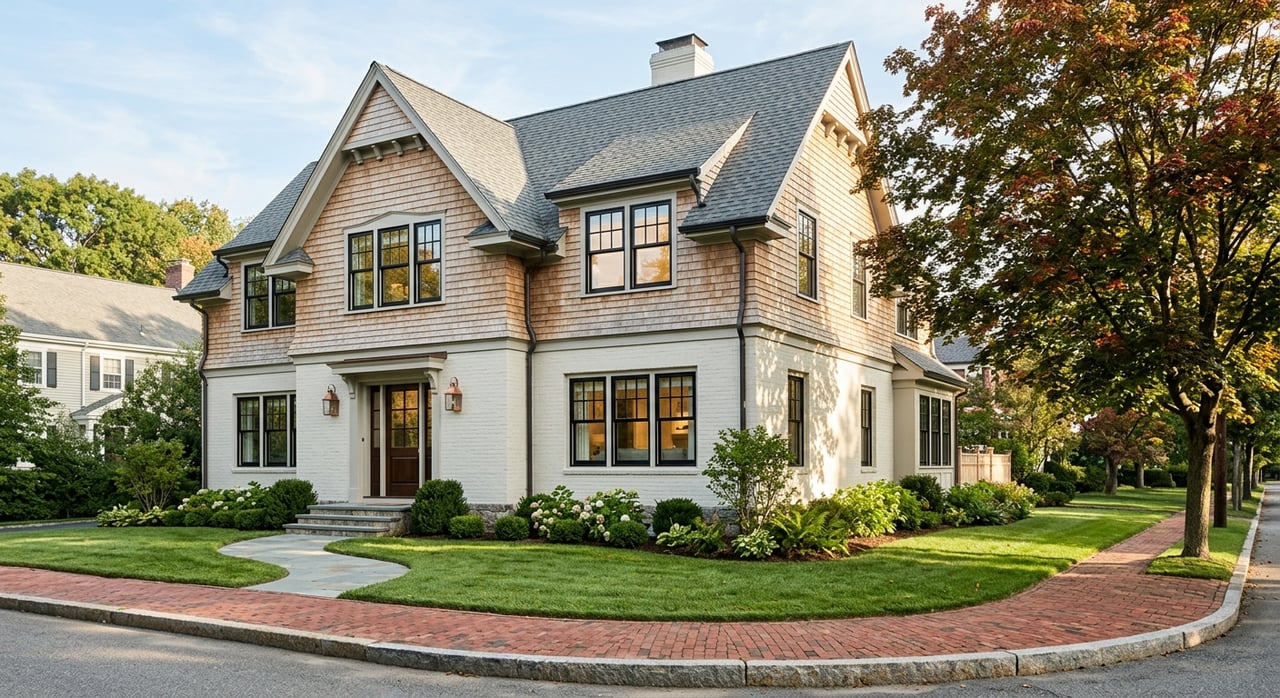
If you have ever looked at a Newton listing and wondered what the village name really tells you, you are not alone. Newton does not revolve around one downtown, and that can make home searches feel more nuanced than they first appear. Once you understand how the city’s villages developed and what housing patterns tend to show up in each one, listings start to make a lot more sense. Let’s dive in.
Why Newton Feels Different
Newton is organized around 13 distinct village centers, not a single central downtown. According to the city, many of these villages grew from settlement patterns tied to railroads, rivers, mills, and houses of worship.
That history still shapes how Newton feels today. In current city planning, village centers serve as the primary mixed-use areas, while places such as Route 9 in Chestnut Hill are classified differently as retail and service clusters.
Another important detail is that Newton’s villages developed gradually over centuries. The city notes that it can be difficult to define exactly where one village center ends, which is why the exact street address often matters just as much as the village name in a listing.
How Village Names Shape Listings
When you read a listing in Newton, the village name often gives you an early clue about the setting, housing style, and overall layout of the area. It does not tell you everything, but it can help you quickly understand what kind of environment you may be seeing.
For buyers, this can help narrow your search more thoughtfully. For sellers, it helps explain why location details within Newton can influence how a home is positioned and described.
Newton Centre Housing Style
Newton Centre is one of Newton’s best-known village centers, and its history helps explain why. The area began around the 1774 meetinghouse site and expanded into a railroad suburb after commuter service improved in the early 1870s.
Today, the core is anchored by Newton Centre Green, which the city describes as a historic village center green. In Newton’s geography guide, Newton Centre is identified as a village center with 50 to 100 storefronts and up to 1 million square feet of commercial space, supporting shopping, dining, entertainment, and moderate pedestrian traffic.
The Green Line D branch also serves Newton Centre, which reinforces its role as both a transit stop and a village hub. That combination often makes the area feel more walkable and active than a purely residential section of the city.
What Homes Look Like in Newton Centre
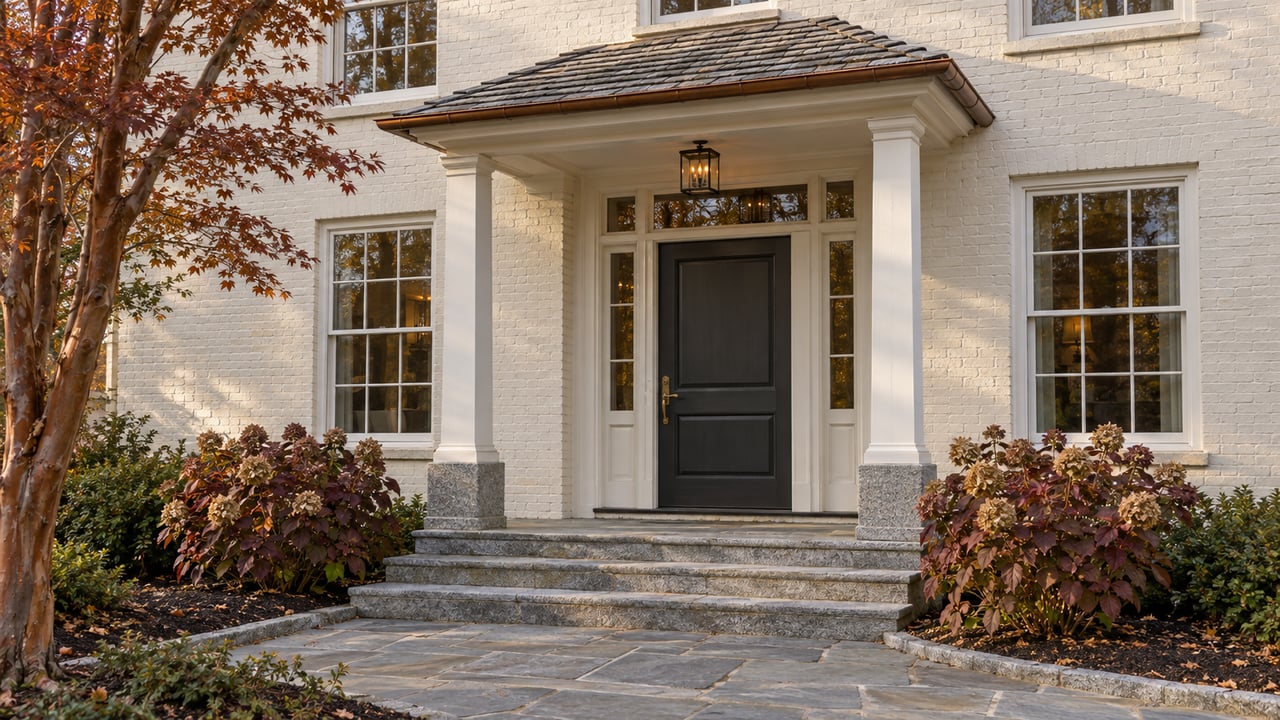
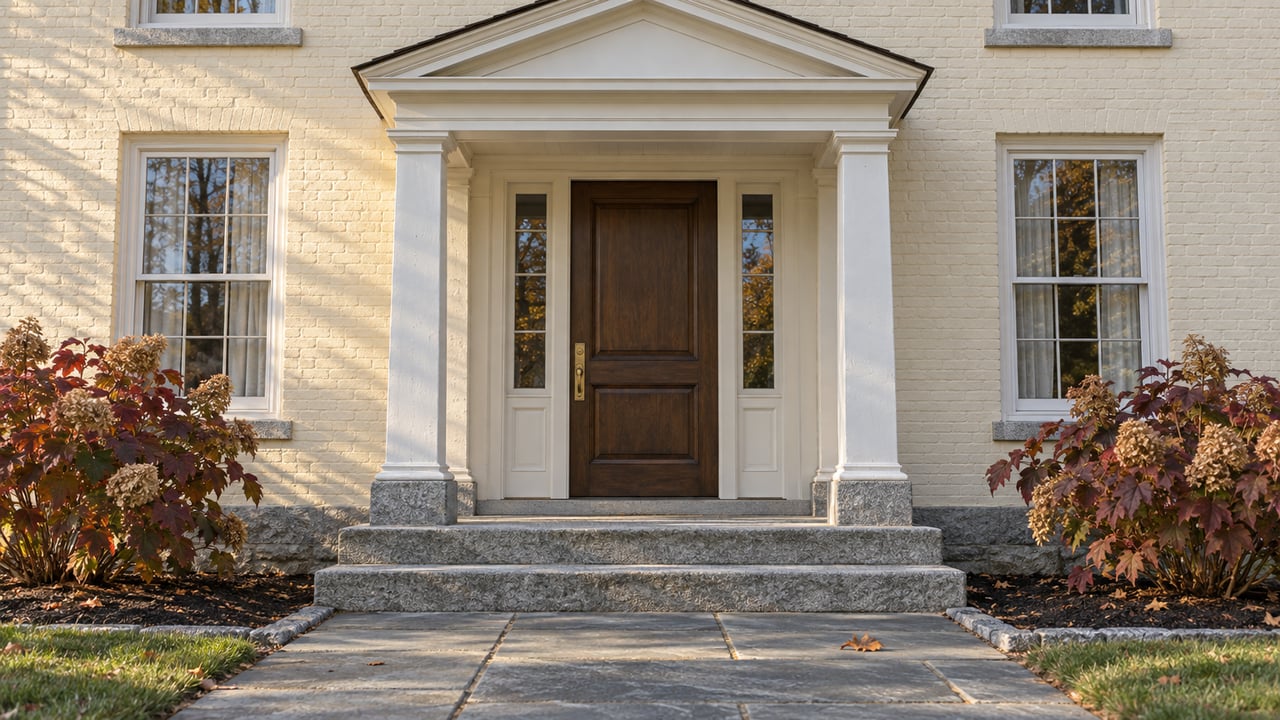
Housing around Newton Centre reflects a long period of growth. Historic Newton materials describe late-19th-century suburban homes on streets such as Sumner Street, with styles that include Victorian, Shingle, Stick, Queen Anne, and Colonial Revival.
The Newton Centre station adds another layer of character. The city describes it as an excellent example of Richardsonian Romanesque architecture, which helps tie the area’s transit history to its historic residential feel.
If you see a listing in Newton Centre, it often suggests a home near a walkable village core, Green Line access, and architecture rooted in the late 19th century. That does not mean every property looks the same, but it is a useful starting point.
Newtonville Housing Style
Newtonville grew into a thriving suburban village in the second half of the 19th century. The city connects that growth to the placement of Newton’s central high school there in 1859 and the arrival of the railroad station in 1880.
That commuter history still matters. Newtonville is one of Newton’s stops on the Framingham/Worcester commuter rail line, and its commercial core along Walnut Street still includes one-story buildings that largely date to the 1920s.
Like Newton Centre, Newtonville is classified by the city as a village center. But the residential pattern reads differently once you move beyond the commercial core.
What Homes Look Like in Newtonville
City preservation materials describe the Newtonville Historic District as almost entirely residential. It is presented as an intact streetcar-suburb neighborhood with large detached houses on moderate lots, most dating from the late 19th and early 20th centuries.
Common architectural styles include Queen Anne, Colonial Revival, and other revival styles. In practical terms, Newtonville often feels like an older detached-house neighborhood wrapped around a smaller commercial center, rather than a denser mixed-use district.
If a listing says Newtonville, you may be looking at a home in a setting defined by detached houses, older suburban planning, and commuter rail access. That can feel quite different from Newton Centre, even though both are village centers.
Chestnut Hill Housing Style
Chestnut Hill sits along Newton’s eastern edge and followed a different path of development. The city notes that it was once isolated and sparsely settled, and that rail access in the mid-19th century changed its trajectory.
Over time, Chestnut Hill developed as a community of country estates. The city says it still retains a rural neighborhood character, which helps explain why many streets feel more expansive and less tightly built than village-center blocks elsewhere in Newton.
Current planning geography also makes an important distinction here. The Route 9 area in Chestnut Hill is categorized as a retail and service cluster, with larger commercial footprints and parking-oriented property layouts, rather than a traditional village center.
What Homes Look Like in Chestnut Hill
City preservation materials describe the Chestnut Hill Historic District as consisting almost entirely of residential structures, most dating from the late 19th and early 20th centuries. Many of the houses were architect-designed.
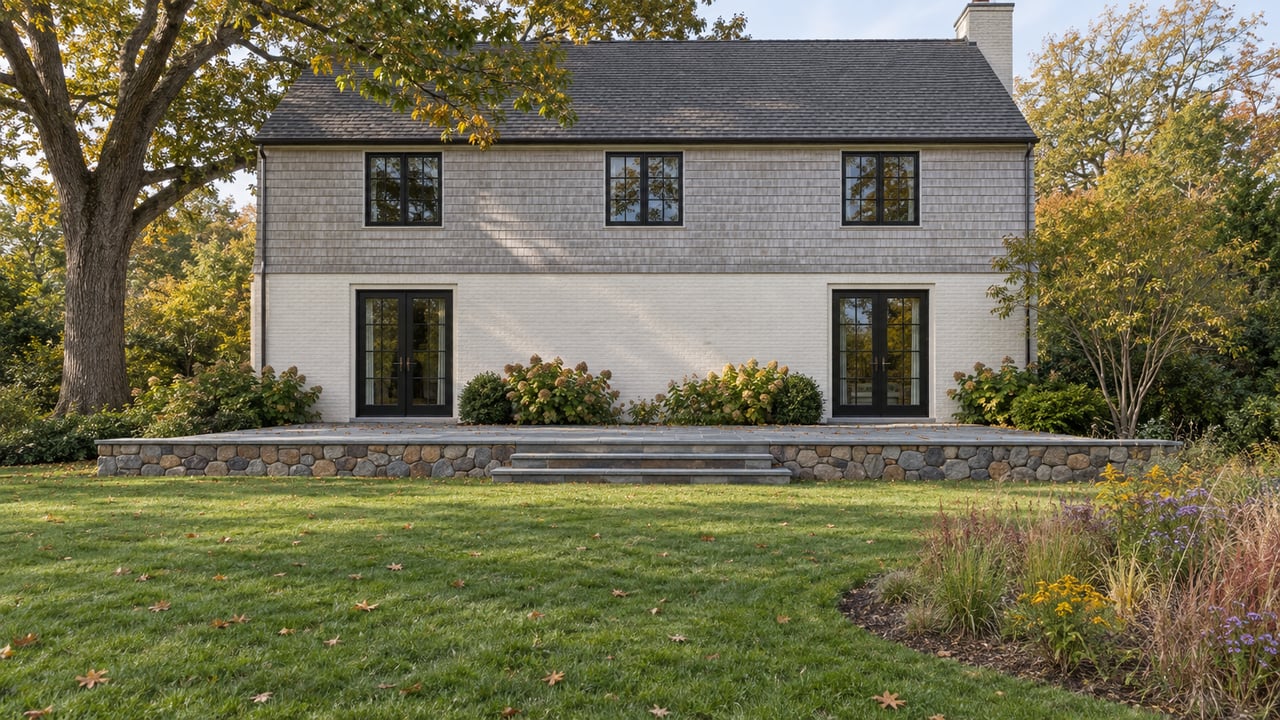
The district is shaped by natural topography and large landscaped lots. Dominant architectural styles include Colonial Revival, Georgian Revival, and Shingle.
For buyers, this often means Chestnut Hill can feel more estate-like and more varied in elevation and lot layout than Newton Centre or Newtonville. If a listing is near Route 9, though, it may sit closer to a more commercial and auto-oriented edge, so the exact location matters.
Why Exact Location Matters in Newton
One of the most useful things to know about Newton is that village names are informative, but they are not the whole story. The city’s own planning materials note that village boundaries can be hard to define.
That means two homes with the same village name may offer very different experiences depending on the street, proximity to a village core, access to transit, and relationship to commercial corridors. In Newton, small geographic differences can shape how a property lives day to day.
For example, a Newton Centre listing may suggest a shorter reach to shops, restaurants, and the Green Line. A Chestnut Hill listing may point to a larger-lot residential setting, or it could place you closer to the Route 9 corridor. A Newtonville listing may align with older detached-house blocks and commuter rail convenience.
A Simple Way to Read Newton Listings
If you are comparing homes in Newton, it helps to think beyond the village name alone. A more useful approach is to look at the village name as your first clue, then confirm how the exact address fits into the surrounding pattern.
Here is a practical way to think about it:
- Newton Centre often signals a walkable village core, Green Line access, and late-19th-century suburban architecture.
- Newtonville often points to detached-house blocks, streetcar-suburb planning, and commuter rail access.
- Chestnut Hill may suggest estate-like residential streets with larger lots, or a location closer to the more commercial Route 9 edge.
This kind of context can help you evaluate listings more quickly and ask better questions during your search. It can also help sellers understand which aspects of their location deserve extra attention when preparing a home for market.
What This Means for Buyers and Sellers
If you are buying in Newton, understanding the village structure can save time and help you focus on areas that match your lifestyle and housing preferences. Instead of treating Newton as one uniform market, you can evaluate each listing with a better sense of what the village name may imply.
If you are selling, the village context can shape how your home is presented. Architectural style, lot pattern, access to transit, and relationship to a village center can all influence how buyers interpret your property from the first showing to the final decision.
That is especially true in a city where historic growth patterns still define how neighborhoods look and feel. In Newton, local nuance is not extra information. It is essential information.
If you are thinking about buying or selling in Newton and want a clearer read on how a specific address fits into the city’s village landscape, Emily Farrar offers tailored, discreet guidance with the local perspective to help you move with confidence.
FAQs
What makes Newton different from other towns in Greater Boston?
- Newton is organized around 13 distinct village centers rather than a single downtown, and each village developed with its own historical pattern tied to factors such as railroads, mills, and settlement growth.
What does a Newton Centre listing usually suggest?
- A Newton Centre listing often suggests proximity to a walkable village core, Green Line D branch access, and housing that may reflect late-19th-century suburban architectural styles.
What does a Newtonville listing usually suggest?
- A Newtonville listing often points to detached-house blocks, a smaller commercial core, streetcar-suburb planning, and access to the Framingham/Worcester commuter rail line.
What does a Chestnut Hill listing usually suggest?
- A Chestnut Hill listing may indicate an estate-like residential setting with larger landscaped lots, or, if it is near Route 9, a location closer to a more commercial and auto-oriented area.
Why is the exact street important in Newton real estate?
- The city notes that village boundaries can be hard to define, so the exact street location may matter as much as the village name when you are evaluating setting, convenience, and overall feel.