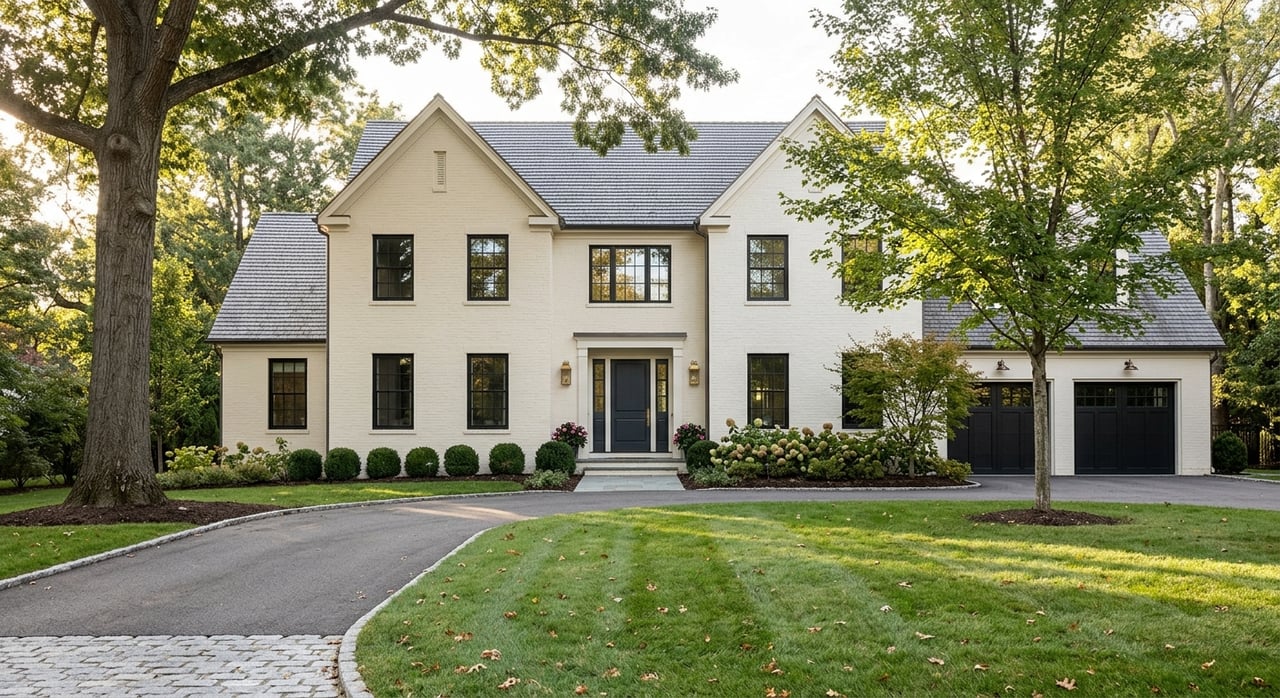
If you are looking for a town where daily life feels a little more spacious, a little quieter, and deeply tied to the outdoors, Sudbury stands out. For many buyers exploring MetroWest, the appeal is not just the homes themselves, but the rhythm of life around them. In Sudbury, that rhythm is shaped by large-lot neighborhoods, conservation land, civic gathering places, and a strong sense of local identity. Let’s dive in.
What Everyday Life in Sudbury Feels Like
Sudbury offers a low-density suburban setting with room to spread out. The town had 18,934 residents in the 2020 Census and spans 24.27 square miles, which helps explain why it often feels open and residential rather than tightly built.
That spacious character is reinforced by the local housing pattern. According to the town’s housing plan, 43% of land area is residential single-family use and 31% is open space or tax-exempt land, while less than 2% allows denser multifamily housing. In practical terms, that means much of Sudbury is defined by detached homes, larger lots, and a more private day-to-day setting.
For many buyers, this is a major part of the appeal. If you value elbow room, a quieter residential feel, and a landscape shaped by trees, trails, and conservation areas, Sudbury tends to match that vision well.
Space Shapes the Housing Experience
Sudbury’s housing stock is overwhelmingly single-family. The town housing plan says 94% of homes are single-family, and rentals make up about 6% of the housing stock.
Lot sizes also contribute to the town’s overall feel. Sudbury’s residential districts require minimum lot sizes ranging from 40,000 square feet to 5 acres, which helps create the large-lot pattern you notice as you move through town.
This affects more than curb appeal. It often means more separation between homes, longer driveways, more mature landscaping, and a stronger sense of privacy than you may find in denser suburbs closer to Boston.
It also helps explain why the market here tends to attract buyers looking for a classic suburban lifestyle. If your wish list includes detached homes, outdoor space, and a setting that feels established rather than crowded, Sudbury checks many of those boxes.
Nature Is Part of the Routine
In Sudbury, access to nature is not an occasional bonus. It is woven into everyday life. The town’s Conservation Commission maintains a wide range of public conservation properties with trails or non-motorized boat launches, including Barton Farm, Broadacres, Davis Farm, Frost Farm, Haynes Meadow, Hop Brook Marsh, King Philip Woods, Landham Brook Marsh, Lincoln Meadows, Nobscot Conservation Land, Piper Farm, Poor Farm Meadow, and Tippling Rock.
These spaces are intended for passive recreation such as walking, hiking, cross-country skiing, and wildlife watching. That matters if you want simple, easy ways to get outside without turning every outing into a major plan.
Piper Farm is one of the clearest examples of this lifestyle. The town describes it as a 70-acre landscape of fields, woodlands, and wetlands located about half a mile east of Town Center. It is also connected to a broader trail network linking the Sudbury River, Frost Farm, Great Meadows, and Assabet refuge lands.
For many residents, that kind of access changes the feel of a normal week. A walk after work, a weekend trail outing, or a quiet morning outdoors can be part of your routine rather than a special trip.
Great Meadows Adds Another Layer
Great Meadows National Wildlife Refuge gives Sudbury an even stronger nature-forward identity. The refuge says its Sudbury unit includes wetlands, woods, trails, and a non-motorized boat launch on the Sudbury River.
Nearly 85% of its conserved land is freshwater wetlands, and the refuge reports more than 220 bird species. If you enjoy birdwatching, photography, paddling, or simply having protected open land nearby, this is a meaningful part of the town’s appeal.
The result is a community where natural beauty is visible and accessible. You do not have to go far to find quiet trails, river views, or landscapes that make the town feel grounded and calm.
Community Life Stays Local
Sudbury’s community life tends to center on civic spaces and town-supported programming. Instead of relying on a large commercial entertainment district, the town calendar highlights recurring local events such as Sudbury 250 Day in Town Center, the Locally Grown Sudbury Farmer’s Market & Fair at Fairbank Community Center, and a DPW Open House.
That pattern gives the town a distinctly local rhythm. Gatherings often happen around public institutions and shared spaces, which can make community life feel steady and connected.
The Park and Recreation Department also plays an important role in daily life. It offers programs and facilities that include aquatics, toddler and summer camp programming, after-school programs, a teen center, fitness offerings, and programming for all ages.
For buyers comparing towns, this kind of infrastructure matters. It gives you a better sense of how people actually spend time here, whether you are looking for activities, local events, or everyday community touchpoints.
Goodnow Library as a Community Hub
Goodnow Library is another important piece of the picture. Event categories listed by the library trustees include arts and crafts, community events, educational classes, fitness, health clinics, holiday events, informational talks, and intergenerational programs.
The library also hosts community social worker office hours every Thursday. That detail says a lot about Sudbury’s civic culture. Local buildings are used not just for books or lectures, but for practical, ongoing community support.
When you think about everyday life in a town, these are the details that often shape the experience most. They create places where residents gather, learn, and stay connected in ways that feel accessible and familiar.
Getting Around in Sudbury
Sudbury is currently car-dependent. The town’s Transportation Committee says there is no public transportation within town boundaries, and there are few pedestrian-friendly routes to common destinations.
That does not mean the town lacks transportation support entirely. Sudbury offers shuttle and ride programs, including the Sudbury Connection Van, Go Sudbury! rides, and a hospital shuttle to Boston-area medical facilities.
Still, driving is a normal part of everyday life here. Census QuickFacts reports a mean travel time to work of 34.6 minutes, which aligns with the town’s suburban layout and regional commuting patterns.
For buyers relocating from a more walkable setting, this is an important practical point. Sudbury tends to work best for those who are comfortable with a driving-based routine and who value space, privacy, and nature more than an urban-style amenity mix.
Historic Character Is Easy to See
Sudbury’s identity is not only shaped by open land and single-family homes. It also has a visible historic layer that adds depth and character to the town.
The Historic Districts Commission identifies four local historic districts: Town Center, Wayside Inn, King Philip, and George Pitts Tavern. The same town resources note that Goodnow Library is listed on the National Register of Historic Places, that the Goulding House dates to 1720, and that many homes on Maple Avenue were built between 1882 and 1920.
Two landmarks are especially helpful in understanding the atmosphere of Sudbury. The Hosmer House in Town Center was built in 1793 as a Federal-style center-entrance colonial and is open for public visits on the third Sunday of each month. The Wayside Inn dates to 1716, spans more than 100 acres, and presents more than 300 years of local history.
These details give Sudbury a sense of continuity. Even as buyers focus on housing, layout, and commute patterns, the town’s historic character often becomes part of what makes it memorable.
What Buyers Should Know About the Market
Sudbury is both established and expensive. Census data places the median owner-occupied home value at $988,900, and the town’s housing plan says the median single-family sale price remained above $1 million in 2023.
The ownership pattern also stands out. The Census reports an 89.9% owner-occupied housing rate, which points to a market with a high level of long-term ownership.
If you are considering Sudbury, it helps to approach the search with a clear understanding of priorities. This is a town that tends to appeal to buyers who want a detached home, a generous lot, access to conservation land, and a more private suburban setting.
That clarity matters because lifestyle fit is just as important as price point. A town can be beautiful on paper, but the best match is one that supports how you want to live every day.
Why Sudbury Appeals to Many MetroWest Buyers
Sudbury has a distinct identity within MetroWest. It offers space, a strong conservation presence, visible local history, and a community life that feels civic and grounded.
For some buyers, that combination is exactly the goal. You may not be looking for the busiest downtown or the easiest car-free routine. You may be looking for room to breathe, protected open land, and a town where the environment shapes daily life in a meaningful way.
If that sounds like the lifestyle you have in mind, Sudbury is worth a closer look. And if you want help comparing Sudbury with other nearby towns, working with a local advisor can make that process much more focused and efficient.
If you are exploring MetroWest communities or planning a move, Emily Farrar offers tailored guidance, polished service, and local insight to help you find the right fit.
FAQs
What is everyday life like in Sudbury, MA?
- Everyday life in Sudbury is shaped by large-lot residential neighborhoods, conservation land, local civic events, and a car-dependent suburban routine.
What types of homes are most common in Sudbury, MA?
- According to the town’s housing plan, most homes in Sudbury are detached single-family houses, which make up 94% of the housing stock.
Does Sudbury, MA have parks and trails?
- Yes. Sudbury has many public conservation properties with trails and passive recreation opportunities, including places like Piper Farm, Nobscot Conservation Land, and King Philip Woods.
Is Sudbury, MA walkable or car-dependent?
- Sudbury is currently car-dependent, with no public transportation within town boundaries and limited pedestrian-friendly routes to common destinations.
Does Sudbury, MA have a strong sense of community?
- Yes. Community life in Sudbury is supported by town events, Park and Recreation programming, and civic spaces like Goodnow Library and Fairbank Community Center.
Is Sudbury, MA known for historic character?
- Yes. Sudbury includes four local historic districts and landmarks such as the Hosmer House and the Wayside Inn, which reflect the town’s long local history.